

Introduction: Why Supplements for Chronic Prostatitis Deserve a Second Look
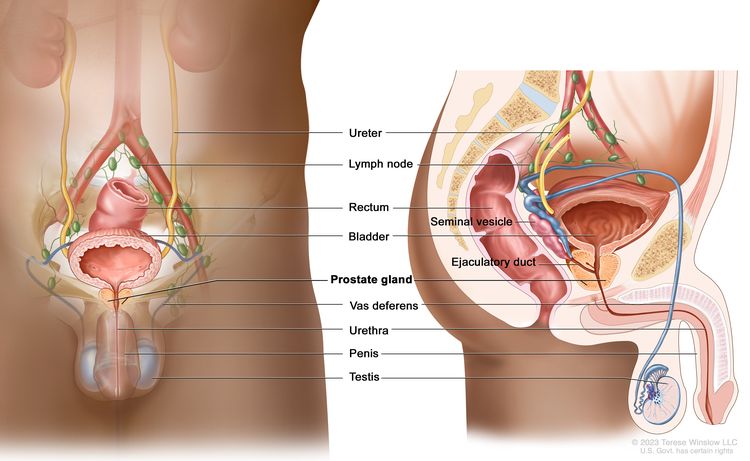
There is a great deal of confusion and misinformation in the U.S. about the use of supplements for chronic prostatitis — particularly regarding their effectiveness and legitimacy as a treatment option. However, over three decades of rigorous scientific research conducted across North America, Europe, and Asia now provide compelling evidence that five specific supplements are effective in treating chronic prostatitis in 67% to 96% of men studied.
Alongside this body of research, two decades of patient experience, especially in Europe, show that these supplements can dramatically reduce — or even eliminate — the pain and urinary symptoms associated with chronic prostatitis.
Europe vs. the U.S.: A Tale of Two Medical Approaches
Supplements as Standard Care in Europe
In Europe, these supplements are commonly referred to as nutraceuticals — natural compounds that have proven health benefits. Urologists routinely prescribe them for chronic prostatitis, and pharmaceutical companies manufacture clinically validated versions.
For example, in Germany, nearly 50% of urologists prescribe saw palmetto as a first-line treatment. National and European Union health authorities have officially recognized most of the five supplements as legitimate treatments for both chronic prostatitis and BPH (benign prostatic hyperplasia). As a result, doctors, insurance providers, and patients across Europe have high confidence in the efficacy of these supplements.
Regulatory and Industry Gaps in the U.S.
In stark contrast, most urologists in the U.S. are unfamiliar with these supplements and rarely use them in clinical practice. One major reason is that the FDA is legally prohibited from regulating supplements due to a law passed in the early 1990s. Unlike Europe, pharmaceutical companies in the U.S. do not manufacture or promote these supplements.
Instead, the U.S. supplement market is saturated with hundreds of “prostate health” products. Unfortunately, most do not include the five proven ingredients, and when they do, the dosages are often too low or the formulations are ineffective. Take saw palmetto, for example — dozens of products exist, but only one formulation has been scientifically proven to work.
The Top 5 Scientifically Proven Supplements
1. Flower Pollen Extract
Flower pollen extract is one of the most well-researched supplements for chronic prostatitis. Clinical studies consistently show its ability to reduce inflammation, ease pelvic pain, and improve urinary flow. It’s especially effective when combined with dietary changes that reduce systemic inflammation.
2. Saw Palmetto
This supplement is commonly used in Europe and has strong clinical backing. When taken in the correct formulation and dosage, saw palmetto can significantly reduce symptoms of both chronic prostatitis and BPH. It works by inhibiting hormone activity that contributes to prostate inflammation and swelling.
3. Pumpkin Seed Oil
Pumpkin seed oil supports urinary function and helps reduce inflammation in the prostate. It contains beneficial fatty acids and phytosterols that improve bladder emptying and reduce nighttime urination.
4. Nettle Root Extract
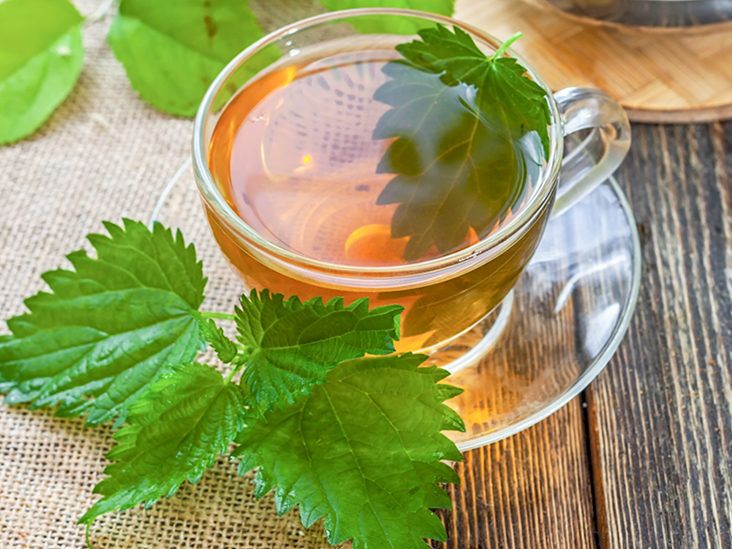
Nettle root extract is often combined with saw palmetto in European treatment protocols. It helps relieve urinary symptoms and may inhibit prostate cell growth. Studies have shown its effectiveness in managing both BPH and prostatitis symptoms.
5. Quercetin
Quercetin is a powerful antioxidant and anti-inflammatory flavonoid. It is particularly useful in managing chronic pelvic pain syndrome (CPPS), which overlaps with chronic prostatitis. It helps reduce oxidative stress and inhibits inflammatory pathways in the prostate.
My Personal Experience with the 5 Supplements
In my own journey with chronic prostatitis, flower pollen extract and saw palmetto were by far the most effective — a finding that aligns closely with the scientific research. The other three supplements — pumpkin seed oil, nettle root extract, and quercetin — were also beneficial, and I continue to take all five as part of my long-term wellness protocol.
However, it’s important to note that these supplements did not work on their own in my case. I first tried flower pollen and quercetin before implementing an anti-inflammatory diet and saw no improvement. Only after changing my diet did I begin to see dramatic improvements from these supplements.
The Critical Role of the Anti-Inflammation Diet
Why Supplements Alone May Not Work
The foundation of the Chronic Prostatitis 360 Protocol is the anti-inflammation diet. Supplements alone were ineffective for me until I addressed the root cause of chronic inflammation through dietary changes.
The first and most critical step in the protocol is not supplements — it’s diet. I recommend that anyone dealing with chronic prostatitis symptoms begin by reading and implementing the anti-inflammation diet detailed in Chapter 4 of my book, The Chronic Prostatitis 360 Protocol.
The Diet-Supplement Synergy in the Chronic Prostatitis 360 Protocol
The Chronic Prostatitis 360 Protocol is built on a three-part foundation:
-
Diet
-
Supplements
-
Lifestyle changes
But diet is the cornerstone. When I reintroduced flower pollen after changing my diet, the results were immediate and significant. Without a low-inflammation diet, supplements will likely be much less effective.
How Long It Takes to See Results
You should know that this is not a quick fix. It takes 60 to 90 days to see meaningful benefits from dietary changes and supplements.
Most American men have consumed a highly inflammatory diet for decades. If you’re a typical middle-aged man, your body has endured a daily assault of inflammation for years. That’s why it can take 90 to 120 days or more for your body to begin to recover and respond to natural therapies.
Don’t Skip the Details: Read Before You Buy
Why Reading Chapter 5 of the Book Matters
Once you have my book, you might be tempted to skip ahead, look up the five supplements online, and start taking them immediately. I strongly advise against this.
Chapter 5 contains essential information — including formulations, dosages, brands, and how the supplements work together. Skipping this section could reduce their effectiveness and slow your progress.
Complementary Nutrients: Lycopene and Selenium
Certain nutrients can enhance the effectiveness of these supplements. For example, clinical studies show that adding lycopene and selenium to saw palmetto significantly increases its impact. These are key details covered in Chapter 5 of the book.

Final Thoughts: Build on a Solid Foundation
The five scientifically proven supplements — flower pollen, saw palmetto, pumpkin seed oil, nettle root extract, and quercetin — can be powerful tools in your recovery from chronic prostatitis. But to unlock their full potential, you must first lay the groundwork through dietary and lifestyle changes.
Start with the anti-inflammation diet. Give your body time to heal. Then incorporate the supplements using the guidance provided in my book. This holistic approach is the most effective path to lasting relief.
Visit our Facebook page to get more updates and tips!
